Who We Are
Lakeside Community The Netherlands (LSCNL) was formed with the main goal to unite the Luo community in the Netherlands and to work together towards individual and collective empowerment in the counties or origin Luo Nyanza. This journey commenced officially on 20th September 2013 and has culminated in two major cultural events in The Hague (2014) and Utrecht (2015). In 2016 attention has been drawn to the experiences of the past two years and there is a general consensus that we need to re-think the goal of the organizations and how it functions. Fundamental here is the extent to which such organizing benefits Luos in the Netherlands, While the individual is always inherently covered in the collective, new thoughts are urging for attention to the individual Luo especially those in the diaspora. The argument is that an empowered Luo in the diaspora in the Netherlands (and elsewhere) is much more likely to have the capacity to contribute to development in Luo Nyanza. The first component of this development focus is the welfare of all Luos in the Netherlands. This entails sharing our cultural heritage through social events. These events give us the platform for community building; expanding networks and solidarity in case one of us is in distress.

The pursuit of this second objective has two dimensions. First is making use of our experiences or expertise through collective initiatives that support development initiatives in our regions of origin. This entails a strict focus on identified community project ideas that are sustainable not exacerbating handout mentality in our regions of origin. This means introducing a new culture of help (responsible support in which beneficiaries also play their part and understand that our role as diasporas is to facilitate the processes. Such an approach at the community level will reduce the burden (our moral obligation and empathy but also the unrealistic expectations on us as diasporas to solve all local problems. Taking such an approach means we are at the same time acknowledging that our local communities in Nyanza need fresh ideas, the flow of resources to help in the socio-economic regeneration of our regions and eventually fighting poverty which has been used to undermine the Luo potentials since 1963. We can thrive as individuals and become islands of success in our villages or even within our own families, but that implies a timeless inconvenience because we do not live in a vacuum as human beings but more so as Luos.

Some of the opportunities we come across in the diaspora don’t need much effort, except networking, passing information and connecting people. We can only do so much as individuals (we already do that in our own respective ways) but there are things, which are only possible through the collective. To realize such noble objectives there is the need to reflect together as a community on how we can collectively undertake projects that target our regions of origin using our diasporic experiences and resources. This calls for taking bold steps to carefully select feasible topics and projects that target sustainable development in Luo Nyanza. These topics should come to all members, in terms of issues they find important to their regions of origin. To launch such projects we shall need to undertake needs assessment based on the regions represented here in the Netherlands, mapping out project locations in Nyanza and potential resources from the Netherlands and developing a comprehensive, realistic and manageable action plan.
Second is to focus on investment ideas that benefit us as individuals and our families and eventuality communities and the entire Luo nation. This second focus derives from the recognition of the importance of economic empowerment that starts with us. “We can only give if we have”. Our investments, including charity works, should bring some returns, which sustain us as individuals. Here the focus is on the many opportunities untapped in Luo Nyanza and Luo nation.

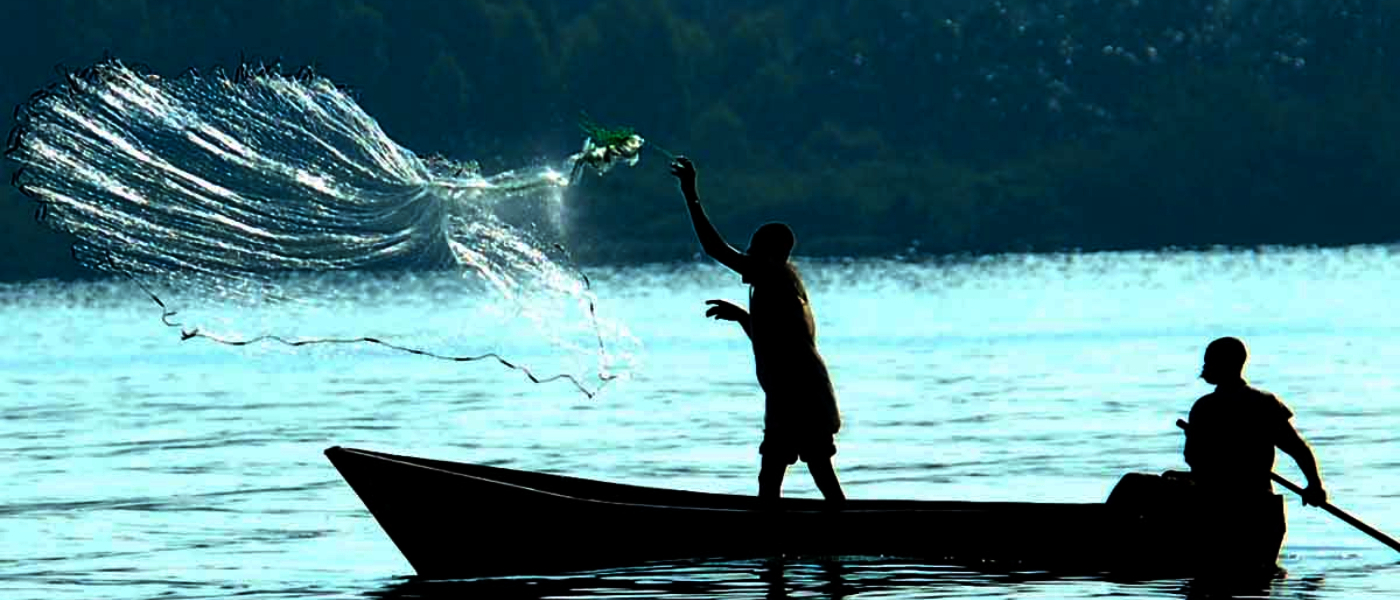
Around Nam Lolwe, there are massive untapped resources and potentials in the fishing, water transport and horticultural farming using the lake water. Many companies especially small-medium enterprise in the Netherlands/Europe and even from China are seeking partnerships in emerging markets. And we can be that bridge because of our transnational experiences and affinity to multiple localities.
The highlighted areas of focus are issues worth thinking about and require further discussions within the community. The current LSN leadership has set out among its major priorities, strengthening the organization, organizing regular activities and spearheading investment initiatives in order to address the two important dimensions of our welfare as a people and nation.